
News
Latest News and Stories
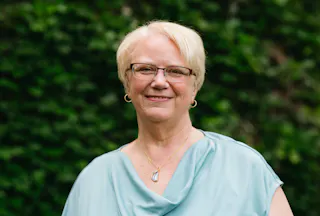
More than course registration: How academic advising helps students thrive
Associate Professor Bethany Opsata ’93 is co-chair of the Department of Business and a seasoned faculty advisor, helping students navigate a large department with countless academic options and career paths. Here she talks us through what students can expect from an advising relationship.
July 02, 2026 | 9:30 a.m.
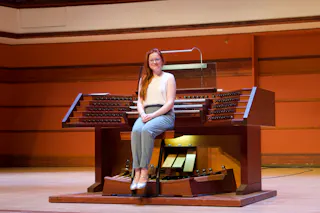
Living out a calling: how Elizabeth Gerken ’24 uses her musical gifts to serve others
Elizabeth Gerken ’24 came to Bethel planning to study science. Then an improvised piano performance helped her follow a different calling, one that shapes her work as a composer, music teacher, and therapeutic musician in training.
June 29, 2026 | 10 a.m.
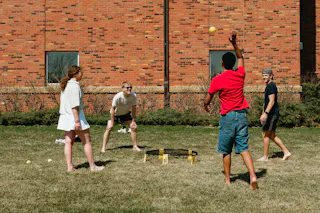
A generation looking up: rediscovering connection in a digital age
What do we gain when we spend less time looking down? As awareness of social media's impact continues to grow, members of the Bethel community are asking the tough questions and exploring how intentional technology use can help us reconnect with what matters most.
June 25, 2026 | 9:45 a.m.
Christ-centered care: How Sarah Jensen ’97 creates space to move, breathe, and belong
For 11 years, Sarah has returned to Bethel’s Wellness Center to lead yoga sculpt and offer students a steady place for movement, rest, and encouragement.
June 22, 2026 | 10:45 a.m.

Your summer reading list—books by Bethel faculty and leaders
Looking for a meaningful summer read? These recently published books by Bethel faculty and leaders offer fresh perspectives on work, faith, education, leadership, and life.
June 18, 2026 | 9:15 a.m.

Spring athletics recap: Track and field leads strong season for Bethel athletics
Bethel’s 2026 spring season was highlighted by top-12 national finishes for both track and field programs, MIAC titles in baseball and men’s golf, historic tennis rankings, and record-setting individual performances.
June 11, 2026 | 10 a.m.

Different paths, shared purpose: Bethel celebrates spring commencement
Across Bethel’s undergraduate, graduate, and Seminary programs, commencement speakers challenged graduates to steward their education, faith, and calling in service of others.
June 05, 2026 | 9 a.m.
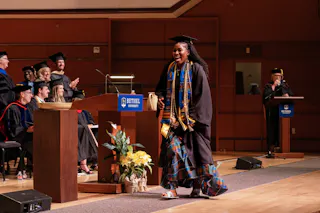
Alyssa Whetstone ’19 turns watercolor side hustle into thriving art business
After studying art and education at Bethel, Alyssa Whetstone ’19 expected to spend her career in the classroom. Instead, a watercolor hobby grew into a successful business centered on creativity, teaching, and helping others rediscover art.
June 04, 2026 | 1 p.m.