Alumni



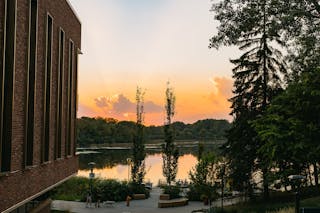
Once Bethel students, and now 50,000 strong, we’re pursuing excellence and changing the world as Bethel alums.
Whether it’s been just a few short months or many years since you became a Bethel alum, your world is likely no longer the same. A lot of life may have passed by, big changes have come and gone, but one thing remains—you’re a huge part of this community. So contact us to let us know what Bethel can continue to do for you—and explore the many ways you can stay connected to the Bethel community.

Come to an event
Join us at events just for alumni, like regional gatherings in a U.S. city near you, Homecoming, or networking and professional development events!

Benefits and services
You've got a lot to look forward to! Check out what benefits and services are available to Bethel alumni—from discounted rates at area hotels and access to Bethel's Studio for Vocation and Calling.

Get involved
Alumni have given their time and resources to make Bethel what it is today. Mentor students, host an event, or make a donation to your favorite department—we're grateful for all of it.

Stay connected
Let's keep in touch! Be sure we have your updated contact info so you can receive communications to stay up to date on what's happening at Bethel and invites to events just for you.
Recent News
Alyssa Whetstone ’19 turns watercolor side hustle into thriving art business
June 04, 2026 | 1 p.m.

From Bethel to the Minnesota United sideline
May 29, 2026 | 12:15 p.m.

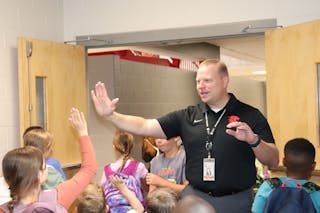
Meet the Bethel-trained educators shaping the future at one of Minnesota’s top charter schools.
January 05, 2026 | 10 a.m.