
News
Latest News and Stories
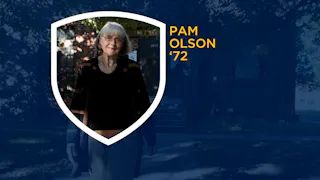
Pam Olson ’72 named Bethel University Alumna of the Year
Pam Olson ’72 made history as the first woman to graduate from Bethel with a physics major or minor. Since then, her life has been marked by faith, leadership, ministry, and service to Bethel.
October 09, 2026 | 9:02 a.m.

Beret Leone ’18 tells Minnesota’s stories at WCCO
Beret Leone ’18 reports stories for WCCO across the Twin Cities, from breaking news to local community features. At Bethel, she found the support and room to explore that helped shape the storyteller she is today.
October 07, 2026 | 11:30 a.m.

Facing Goliath together
Two Bethel football players, separated by two decades, faced cancer as high school athletes. Now their remarkably similar journeys have intertwined through The Goliath Project and a shared determination to return to the game they love.
October 05, 2026 | 2 p.m.
Bethel celebrates record incoming undergraduate class for second year in a row
For the second consecutive year, Bethel welcomes its largest incoming undergraduate class, continuing strong enrollment momentum.
October 02, 2026 | 2:30 p.m.

Career preparation, built into the Bethel experience
What if preparing for life after college didn’t wait until senior year? Through The Studio for Vocation and Calling and the Bethel Career Commitment, Bethel is weaving career exploration, coaching, mentorship, and real-world preparation into the undergraduate experience from the start.
October 01, 2026 | 9:30 a.m.

Meet Bethel’s newest faculty members
New faculty and academic support staff join the Bethel community this fall, bringing valuable expertise and a shared commitment to helping students learn, grow, and prepare for what’s next.
September 28, 2026 | 12:15 p.m.
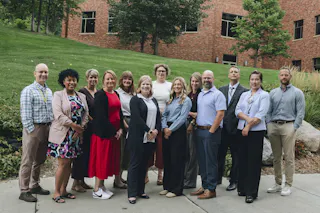
How Bethel’s athletics transform the student experience: Q&A with Director of Athletics Greg Peterson ’92
Greg Peterson ’92, Bethel University’s director of athletics, shares how a distinctive athletics community helps students across campus find belonging, grow through challenges, and become the men and women God has called them to be—on and off the field.
September 23, 2026 | 11:30 a.m.

Bethel students gain hands-on ministry leadership experience through grant
A new vocational exploration initiative at Bethel is giving students the opportunity to move beyond the classroom and step into the day-to-day work of ministry, helping them discern how God might be calling them to serve.
September 15, 2026 | 9:15 a.m.