
Birth simulators, kiddie pools, and ‘parto-pants’
By Monique Kleinhuizen ’08, GS’16, content specialist
October 14, 2026 | 8 a.m.

At every turn, Bethel’s nurse-midwifery program incorporates tools, technology, and hands-on experiences that strengthen students’ practical skills.
A comfy chair sits next to a kiddie pool full of water. The lights are low, and there’s music playing. A woman is preparing to give birth, and a nurse-midwife is by her side, coaching her through waves of emotion and sensations. The nurse-midwife constantly assesses what’s happening and talks through options, always ready to jump in and respond to changes.
This looks more like a living room than a classroom. But it’s actually a birthing simulation room in Bethel’s Hagstrom Center, used in Bethel’s Master of Science in Nurse-Midwifery program. Here, students bring together the clinical knowledge, interpersonal skills, and quick judgment they’ll need as nurse-midwives serving women in some of their most vulnerable and life-altering moments.

Nurse-midwifery students participate in a variety of birth simulations designed to expose them to different birth settings and help them learn to navigate complications that may arise.
The setting is just one of many designed to prepare students for the unpredictable realities of caring for women and guiding births, whether in hospitals, birth centers, clinics, or homes. Bethel’s hybrid program combines online coursework, on-campus intensive learning experiences, mentorship, and clinical hours that help students build the practical skills and sound judgment those settings demand.
The results speak for themselves. Bethel’s graduates have a 97% pass rate on the American Midwifery Certification Board exam within 12 months of graduation.
The numbers are incredible, but the underlying human goal is simple. “Listen to mom,” says Julie Ann Vingers, clinical professor of nursing and director of Bethel's nurse-midwifery program.
Preparing for the unexpected
The word midwife comes from Old English and literally means “with woman.” Certified nurse-midwives are akin to other advanced practice nurses, such as nurse anesthetists and nurse practitioners. These master’s-educated, board-certified professionals are specifically equipped to walk alongside women through pregnancy, childbirth, and postpartum seasons. But their work extends far beyond that, to include primary and newborn care, lifelong sexual and reproductive health, and coordination with other health professionals.
“As a nurse-midwife, I'm the person in the room who can make this the best experience possible for mom,” Vingers says.
Over the 12 years since its inception, the program has also responded to a changing healthcare landscape. The challenges of the COVID-19 pandemic renewed attention to home birth and other out-of-hospital care options, while highlighting the importance of knowing how to respond when a planned birth requires a higher level of medical support.
Bethel expanded opportunities to practice home births, water births, and safe transfers to hospitals when those alternative scenarios were no longer viable. In one simulation, students may support a routine birth. In another, they must recognize a complication, communicate with the patient and care team, and bring in additional interventions when necessary.
Lab staff use a microphone and instruments in a control room behind a one-way mirror to provide students with vital-sign information and help direct the simulation. Meanwhile, the rest of the students in a nearby classroom watch the simulation live so everyone can debrief afterward. Together, they discuss not only the clinical decisions made but also the words students chose, the way they approached a patient, and how effectively they managed the room.

Students observe and discuss birth simulations from a nearby classroom.
Building confidence through practice
Bethel’s 57 current nurse-midwifery students study mostly online from 25 different states. They come together for two three-day hands-on learning intensives on Bethel’s campus, gaining knowledge from nine faculty members, all of whom are practicing nurse-midwives. Faculty are built-in mentors who bring practical knowledge and a deep understanding of what it takes to be an effective provider.
Students practice responding to birth complications like shoulder dystocia or postpartum hemorrhage, rehearse birthing positions, and practice suturing on cow tongues. They cover well-woman examinations, contraception, intrauterine device (IUD) insertion, and basic ultrasound skills. In some simulations, “patient-educators” provide immediate feedback during practice examinations. A real, human response helps students learn not just how to perform a procedure, but how to explain it simply, obtain consent, and respond to discomfort.
The simulations can be remarkably realistic. A lifelike “Sophie and Her Mum” birth model allows students to practice delivery maneuvers. In another exercise, an actor wears fabric “parto-pants”—lovingly sewn by a mother and a personal seamstress of former Bethel faculty members—that allow a doll to be manually “delivered” during a simulated birth. Students must communicate with the person in front of them while performing the necessary clinical steps.

Students practice delivery maneuvers using a “Sophie and Her Mum” birth model
These interactions are especially important when preparing students to provide trauma-informed care. Faculty teach students to recognize how a history of sexual assault or other trauma may shape a patient's experience of examinations, pregnancy, or birth. Students also learn to recognize potential signs of domestic abuse and connect patients with resources when concerns such as food insecurity or financial hardship might affect their health or that of their baby.
From head knowledge to clinical judgment
The hands-on experiences build on rigorous academic preparation.
Courses such as Advanced Health Assessment, Sexual and Reproductive Health, Advanced Pathophysiology, and Advanced Pharmacology give students the scientific foundation to understand complex conditions and make informed treatment decisions.
Advanced Pathophysiology, in particular, challenges students to connect detailed knowledge of the human body with the clinical realities they will encounter as providers. But knowing the material is only the beginning. Students must learn to apply it under pressure, with real people depending on their judgment.
Kelly Cole GS’27 and Aleena Rock GS’28 serve as student representatives, formally connecting their cohorts with program faculty and Bethel leadership. Though their professional pathways differ, both credit Bethel with helping them turn academic knowledge into professional confidence. Cole especially appreciates the opportunity to focus her learning on women after a long career as a registered nurse.
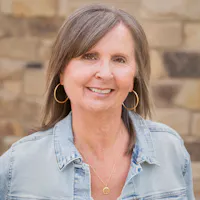
At on-campus intensives, I’ve gained skills that are used daily in the clinical setting. We practiced hands-on skills so that when I entered the clinical site, I at least had practiced a maneuver before my preceptor asked me to perform it.
Kelly Cole GS'27
While attending national conferences, I have learned new and innovative ways to care for my current and future patients.
Aleena Rock GS'28Where knowledge becomes real
Students culminate their learning through 750 required clinical hours with preceptors at clinical sites across the country. They also assist with at least 40 births as part of their certification preparation. For many students, this is where their professional identity begins to change.
“There's this moment that happens, a shift when someone begins to see themself as a provider, not just a supporting character in the room with a patient,” says Tracy Rud, the program's coordinator. “Every student has a story of that moment.”
Faculty members work to make sure students don't navigate that transition alone. Tessa Hand GS’21, an adjunct instructor who supports students during clinical rotations, checks in with students and preceptors, helps them process difficult experiences, and addresses concerns that arise during placements.
“Clinicals are where students really begin to understand what it means to serve women and families in a way that feels real and personal,” Hand says. “They learn how to build relationships and make decisions in real time, things that simply can't be replicated online and ultimately shape the kind of provider they want to become.”
Those placements can also help students establish relationships with practicing professionals and explore the settings in which they may eventually serve.
Preparing to serve in a changing profession
Bethel also prepares students for the professional decisions ahead. In a Professional Issues course, they develop résumés, learn about employment contracts, and hear from practitioners in different settings. Second-year peer mentors, Swedish “Fika” virtual coffee breaks, and a blessing-of-hands ceremony offer additional opportunities for connection and reflection.

Students form close relationships with peers and faculty who sharpen their knowledge and provide personal encouragement.
Rud sees students gradually move from experienced nurses to confident providers. “It's a beautiful thing to witness,” she says.
Every patient brings a different history. Every birth presents its own decisions. But Bethel's goal remains constant: prepare nurse-midwives with the knowledge, judgment, and compassion to care for the person in front of them.
It all begins with Vingers' simple directive: “Listen to mom.”
Pursue nurse-midwifery at Bethel
Develop a foundation of comprehensive clinical skills, sound ethics, and compassionate practices to offer care that treats the whole person—body, mind, and spirit. With Bethel’s online master's degree in nurse midwifery, you’ll gain the knowledge, experience, and values to provide patients with sexual and reproductive healthcare and support holistic health throughout their lifespan.