
Formed for conviction in an age of uncertainty
By Jason Schoonover '09, senior web content specialist
September 03, 2026 | 11 a.m.

Rep. Huldah Momanyi-Hiltsley ’11, GS’15 speaks on the Minnesota House floor.
In many ways, State Rep. Huldah Momanyi-Hiltsley '11, GS'15 is living out her dream. Not only did she become the first Kenyan-born person elected to a state legislature in the U.S. when she was elected in Minnesota District 38A in 2024, but she's doing the work that led her into public service. She's working to build bridges, create opportunities for others, and pay forward the support and service she was blessed to receive.
That doesn't mean it's easy. Public service is hard today, especially in a divided political climate. And Momanyi-Hiltsley admits she's had moments where she's asked, "God, why did you put me here?"
But prayer and her faith have sustained her. "My identity is not rooted in a title, an election result, public praise, or criticism," says Momanyi-Hiltsley, a member of the Democratic-Farmer-Labor party. "Bethel reinforced for me that faith and advocacy do not have to compete. My responsibility is to stay grounded in my values while having enough humility to recognize that I serve everyone."
For Momanyi-Hiltsley, her faith isn't separate from the job—it's the foundation for it. "Public service gives me an opportunity to live those values through how I treat people, how I lead, and how I serve," she says.
Momanyi-Hiltsley is just one of many Bethel graduates serving with conviction and strong values during a genuinely difficult season in American politics, one marked by division, eroding trust, and rhetoric that's grown sharper on every side. In Minnesota and beyond, Bethel political science graduates are striving to do work that looks a lot like Momanyi-Hiltsley's. We talked to a few of those graduates serving as legislative staff, elected officials, lobbyists, and advocates. Like many alumni, their paths trace back to the same source: a Christ-centered political science education and professors who invested in them well beyond the classroom.

My identity is not rooted in a title, an election result, public praise, or criticism. Bethel reinforced for me that faith and advocacy do not have to compete. My responsibility is to stay grounded in my values while having enough humility to recognize that I serve everyone.
State Rep. Huldah Momanyi-Hiltsley '11, GS'15Today's political climate
Most admit it: politics looks different than it did a decade ago, though not every alumnus sees it the same way.
For Leah Patton '13, that divide feels especially sharp. "We are seeing pretty seismic shifts in how we as Americans perceive ourselves and are perceived by the world," says Patton, the executive director of the Joint Religious Legislative Coalition, a multi-faith advocacy nonprofit. "I think there is also a significant loss of confidence in our institutions."
Patton started her career with an internship and roles in the Minnesota Senate and House, and she remembers it as a more optimistic era, when both sides could disagree publicly while still cooperating behind the scenes for Minnesotans' benefit. That's shifted, she says. Elected officials now seem to believe the extreme rhetoric they once used only to energize their base. And rigid beliefs have made it easier to write off the other side entirely. "Those on the other side are dismissed as bad people because they believe differently than you," she says. Ben Olson '07 sees a version of that same erosion. "There is sufficient evidence to conclude that the U.S. is in a crisis of moral leadership," says Ben, the legislative director at the Minnesota Center for Environmental Advocacy.
Minnesota Rep. Bjorn Olson '13, a Republican who serves District 22A, sees it differently. He says the media makes the divide look larger than it actually is. "To an outsider, it always looks like the waves are really rocky and the storm is blowing hard," he says. "For those of us in it, and when you look under the surface, it's a lot calmer." Often, he says the news is more dramatic than what's happening at the State Capitol, where he and his colleagues often disagree, advocate for their own policies, but still get along and eat lunch together.

Rep. Bjorn Olson ’13 speaks in the Minnesota House.
Bethel's approach
That's the climate Bethel's political science program is preparing students to enter. What makes that education different starts with how Bethel teaches political science in the first place. When Associate Professor of Political Science Andrew Bramsen teaches Political Quest, one of Bethel's core political science courses, he tells students what actually sets Bethel's approach apart. At Bethel, they study politics as people made in the image of God, seeking to become whole and holy persons, not simply skilled professionals. "We approach political science as followers of Christ, who believe we are created as imago Dei and redeemed by Jesus for a relationship with God," he says.
He's careful how he talks about contemporary politics himself—"it's incredibly divisive," he admits—but he says that reality hasn't changed what Bethel is trying to form in students. "My goal is always to bring students back to their need to center their identity in Jesus, not in their political and ideological affinity," he says. That conviction extends far beyond the classroom, as Bethel's Department of History, Philosophy, and Political Science prepares graduates to carry that spirit and purpose into their careers.
Alumni describe a department that made room for real disagreement without making it personal—not by pushing students toward any one conclusion, but by expecting them to thoroughly research and defend whatever they believed. "There was room for disagreement, but the expectation was that you came prepared to explain why you believed what you believed, listen to the other side, and challenge ideas without diminishing the person," Momanyi-Hiltsley says. Patton felt that same openness in her own classes, where she saw more grace to change your mind than she sees in today's political spaces. "Differences of opinion were encouraged, as was cultivating a moral character and sense of conviction," she says. Similarly, Bjorn says his time in the department helped him strengthen his convictions. "Bethel University helped me to solidify and fortify what I already knew to be true," he says. He still carries that posture into his work today. "People know I can disagree without being disagreeable," he says. "I can poke holes in proposed poor legislation without slapping someone in the face."

We approach political science as followers of Christ, who believe we are created as imago Dei and redeemed by Jesus for a relationship with God.
Associate Professor of Political Science Andrew BramsenBramsen notes it's not about preparing students to work toward or sharpen any particular political belief. It's about preparing them for strong work and thoughtful lives. "We're looking for quality research and thought, not for a particular conclusion," he says. That expectation gets built early. First in classes. One example is Associate Professor of Political Science Lynn Uzzell's Constitutional History class, where students debate hot-button issues and have to defend their position with real research, not assumption. And they can practice those lessons through activities like the Model United Nations club, led by Associate Professor of Political Science Chris Moore, where students must research, synthesize, and make a persuasive case under pressure.
Such formative experiences take students off campus and give them first-hand experience in the working world. Before her current role as a legislative assistant working for State Sen. Paul Utke and Sen. Michael Holmstrom Jr., Jill Herman '22 interned with U.S. Rep. Tom Emmer's office, where she received mentorship from Bethel alumna Abby Duininck '15, then Emmer's communications director. Similarly, Karina Nelson '24 served in Bethel Student Government and interned with the U.S. Department of State—hands-on opportunities that turned classroom formation into real preparation for her job as a committee legislative assistant with the Minnesota House GOP caucus. "Those experiences taught me great skills for engaging with people and events, which I have used in many ways both in and outside of my job," she says.

Karina Nelson ’24, a committee legislative assistant with the Minnesota House GOP caucus, at the Minnesota State Capitol.
Like many alumni, Nelson is also grateful for the mentorship she received at Bethel. She remains close to many professors today, who supported her through a "wide range of emotions" as she figured out who she was and wanted to become. "They have always expressed so much faith in me to be capable of great things," she says. "I think the personal investment my professors made in me is the most lasting part of my experience."
Momanyi-Hiltsley echoes that gratitude. She says she was never the smartest student in the room, but she was eager, curious, and determined to take ownership of her education. Her professors and support staff at Bethel recognized that, and she found many key mentors who poured into her. "Most importantly, Bethel gave me people who believed in me," she says. As executive director for Bethel's intercultural programs, Momanyi-Hiltsley also got to help spark conversations around race, reconciliation, history, and justice as a student—including helping bring Civil Rights icon Ruby Bridges to campus—which she calls incredibly formative for the work she does today.
For Momanyi-Hiltsley, it comes down to purpose. "Leadership should be about more than ambition or a title, it should be about service and stewardship," she says. "That is what makes a Bethel political science graduate distinctive: the ability to combine intellectual rigor with faith, character, empathy, and a willingness to work across differences in pursuit of the common good."
Faith as an anchor
That combination—rigor paired with faith—shows up most clearly in how alumni describe their own convictions. As Bramsen notes, most Bethel alumni strive to use their personal faith and beliefs as an anchor for their careers. It is the foundation that fuels political conviction and work. But it doesn't lead each student to the same political party.
For Momanyi-Hiltsley, it’s the grounding for her work in the Minnesota House. "My faith has sustained me, grounded me, and reminded me that my identity and purpose are bigger than any political title, election, criticism, or difficult season," she says. "Prayer has helped guide me when the right path wasn't always obvious and reminded me why I entered public service in the first place."

Rep. Bjorn Olson ’13 speaks on the Minnesota House floor.

Rep. Huldah Momanyi-Hiltsley ’11, GS’15 reviews documents on the Minnesota House floor.
Herman credits Bethel with helping her see how Christians can hold similar beliefs but express them differently politically. "One of the most valuable lessons I've learned at Bethel is that faithful Christians can hold a wide range of political views while sharing many of the same core values," she says. "I've found that two people can care about the same issues and arrive at different conclusions about how to address them." Herman's faith guides how she approaches her work as a legislative assistant. She strives to see everyone she encounters as a person created in the image of God who therefore has inherent worth. "That perspective has helped me stay grounded, especially in environments where conversations can become very polarized," she says.
Similarly, Nelson says her faith fuels how she interacts with and treats others in her role with the Minnesota House GOP caucus. "I do always try to show the love of Christ to people I interact with, regardless of whether we agree politically or not," she says. Without her own faith, Nelson says, it would be easy to lose hope in today's political landscape.
While political parties are fluid, faith and deeply held convictions usually aren't. Patton's and Ben's own political affiliations have shifted over the years, but both say they've followed their convictions toward people and efforts aligned with their beliefs instead.
Ben, for instance, has cheered on Republican Minnesota Rep. Mary Franson for her work removing PFAS—forever chemicals—from Minnesota's drinking water, and Democratic Socialist New York City Mayor Zohran Mamdani for filling potholes and serving with humor and light. "Political scientists would categorize me as a double-hater, because I don't trust either political party," Ben says. "But I prefer double-lover, because I support individual candidates across the political spectrum as long as they are genuine and earnest, want to improve government, believe we need to stop the flow of money from the middle class to the super-rich, and put people before their party's special interests."
I do always try to show the love of Christ to people I interact with, regardless of whether we agree politically or not.
State House Committee Legislative Assistant Karina Nelson '24"Bethel helped open doors"
Bethel's reputation follows its graduates to the Capitol, too. In his role as a representative, Bjorn sees many Bethel interns working there each year. "They are known to be highly reliable individuals who are capable and work hard, and so are coveted by many of our members," he says. Numerous Bethel graduates are employed by the House Republican Caucus, some in high levels of leadership. "We just know when we have somebody applying who has gone to Bethel, that they have a strong background," he says. Ben Olson sees the same pattern from the other side of the aisle. Bethel's alumni network at the Capitol, he says, "is strong, bipartisan, and willing to transcend the politics du jour"—pointing to strong working relationships with alumni like Rep. Leigh Finke (DFL) and Senate Minority Leader Mark Johnson (R).
Momanyi-Hiltsley is deeply grateful for Bethel. Her education and the support she received helped her on her journey from a young Kenyan immigrant trying to find her place, to a student with some "very big and sometimes crazy dreams," to a representative in the Minnesota House. "Bethel gave me more than degrees," she says. "It gave me mentors, opportunities, a global perspective, space to deepen my faith, and the confidence to believe that my story and my voice belonged in rooms I never imagined entering."
That confidence now shapes how she leads. "I believe we are given opportunities not simply for ourselves, but so that we can open doors for others," Momanyi-Hiltsley says. "Bethel helped open doors for me. My responsibility now is to hold those doors open and build a few new ones for those coming behind me."
Bjorn feels something similar. "I attribute the majority of my accomplishments to the time I spent at Bethel," he says. "I fully believe I would be an entirely different person, and one with a lesser list of accomplishments and smaller sphere of influence for good, had I not gone to school there."
Study history, philosophy, and political science at Bethel.
Find a vibrant learning community where you’ll receive the support you need as you follow your passions and develop skills that span all careers. Whether you want to go into politics, attend law school, or teach history, you’ll build a solid foundation for what’s next.
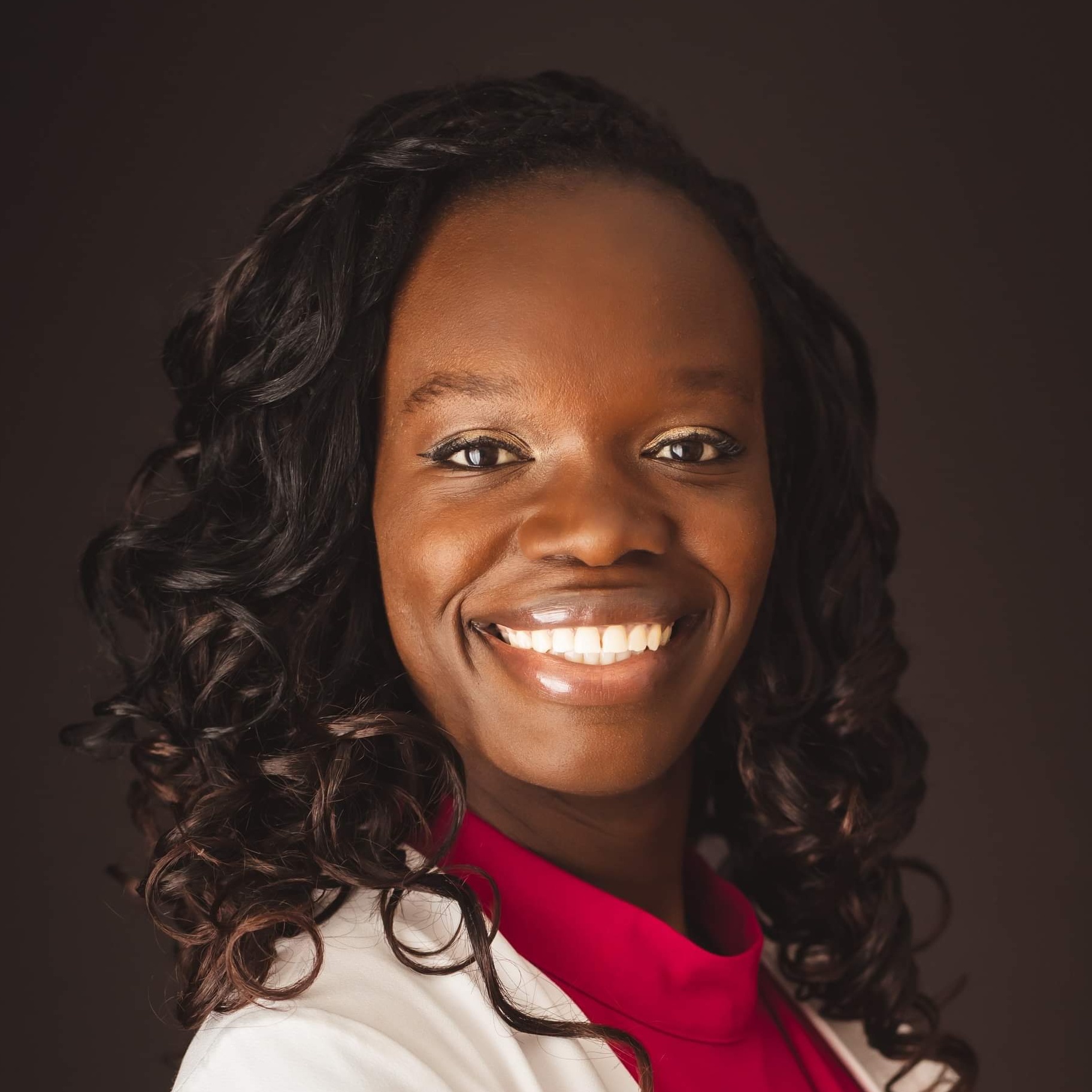
Rep. Huldah Momanyi-Hiltsley '11, GS'15
Minnesota State Representative (DFL), District 38A
International Relations, Business: International Business, Reconciliation Studies, and MBA
Huldah's family immigrated from Kenya when she was young, coming within 48 hours of deportation before a U.S. senator and her church intervened. She studied international relations, international business, and reconciliation studies at Bethel before earning an MBA. Her career took her through medical technology and data privacy roles at companies including NuVasive, Dexcom, and Boston Scientific, along with advocacy work for women and girls in the U.S. and Kenya. In 2024, she was elected to the Minnesota House, becoming the first Kenyan-born person elected to a state legislature anywhere in the U.S. She represents Brooklyn Park and Osseo.

Ben Olson '07
Legislative director, Minnesota Center for Environmental Advocacy (MCEA)
Philosophy and Political Science
Ben studied philosophy and political science at Bethel, arriving as a self-described "Eisenhower Republican" before his political views shifted during his college years. He serves as legislative director at MCEA, a public interest law firm and environmental nonprofit in St. Paul. Previously, he worked at the University of Southern California and as a contract lobbyist representing clients like the Hemophilia Foundation, Boston Scientific, Educators4Excellence, MN Film and TV, and the Minnesota Association of Community Mental Health Programs (MACMHP).

Leah Patton '13
Executive director, Joint Religious Legislative Coalition
International Relations and English
Leah studied international relations and English at Bethel before beginning her career with internships and staff roles in the Minnesota Senate and House. She later earned a graduate degree in Irish writing, worked in nonprofit lobbying, and now leads a coalition of faith organizations advocating on anti-poverty and social justice issues. This fall, she's headed to law school to study human rights law. This fall, Patton is headed to law school to study human rights law — a natural extension, she says, of the work she's already doing connecting with immigrant and refugee communities.
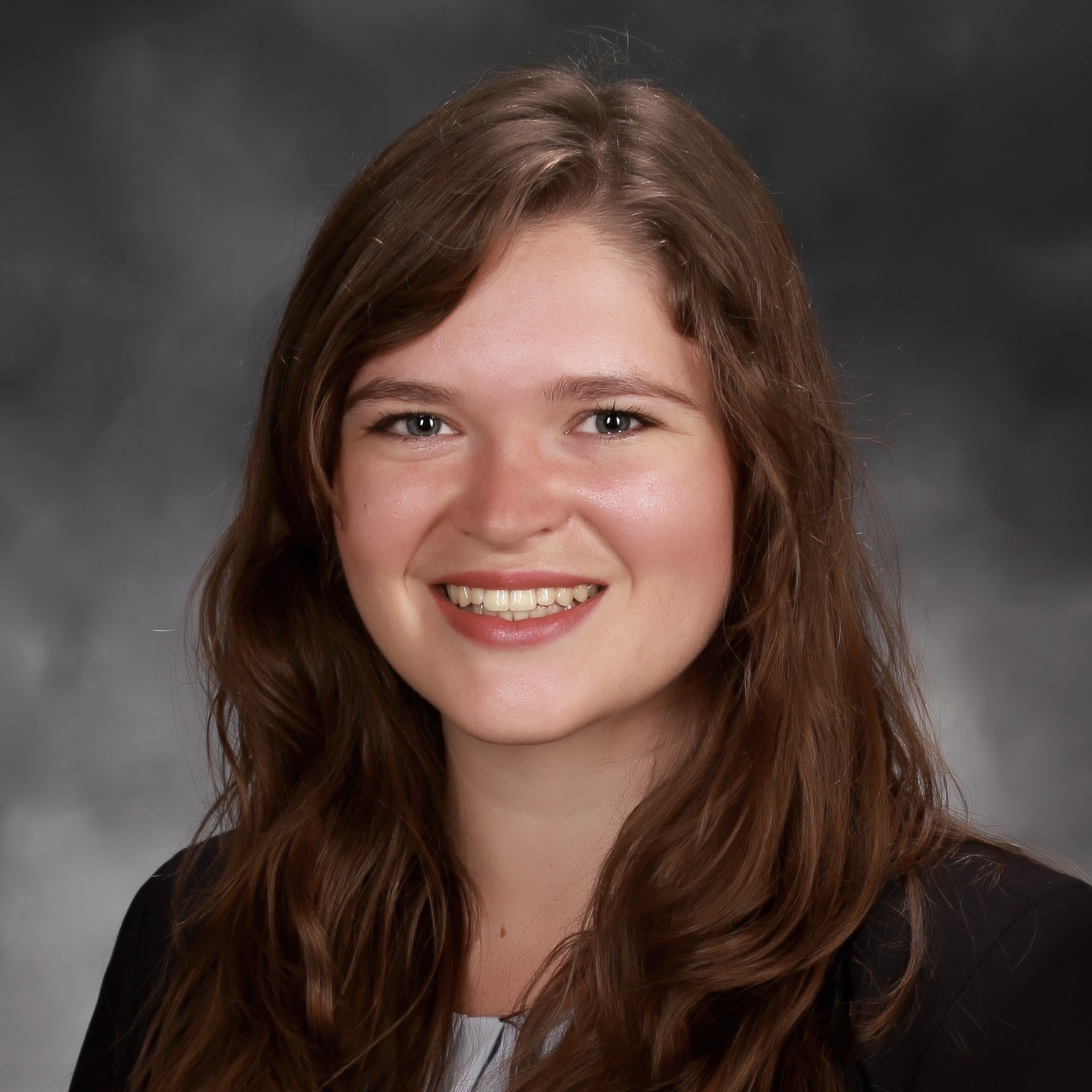
Karina Nelson '24
Karina Nelson '24 Committee legislative assistant, Minnesota House GOP caucus
International Relations and Business Political Science
Karina double-majored in international relations and business political science at Bethel. A U.S. Department of State embassy internship sparked a love of international diplomacy, which she pursued further through a role with Global Minnesota before an opening in the Minnesota House pulled her into state government instead. She now splits her work between legislative assistant duties and committee logistics for two Republican members, including bill research, constituent communication, and hearing preparation.
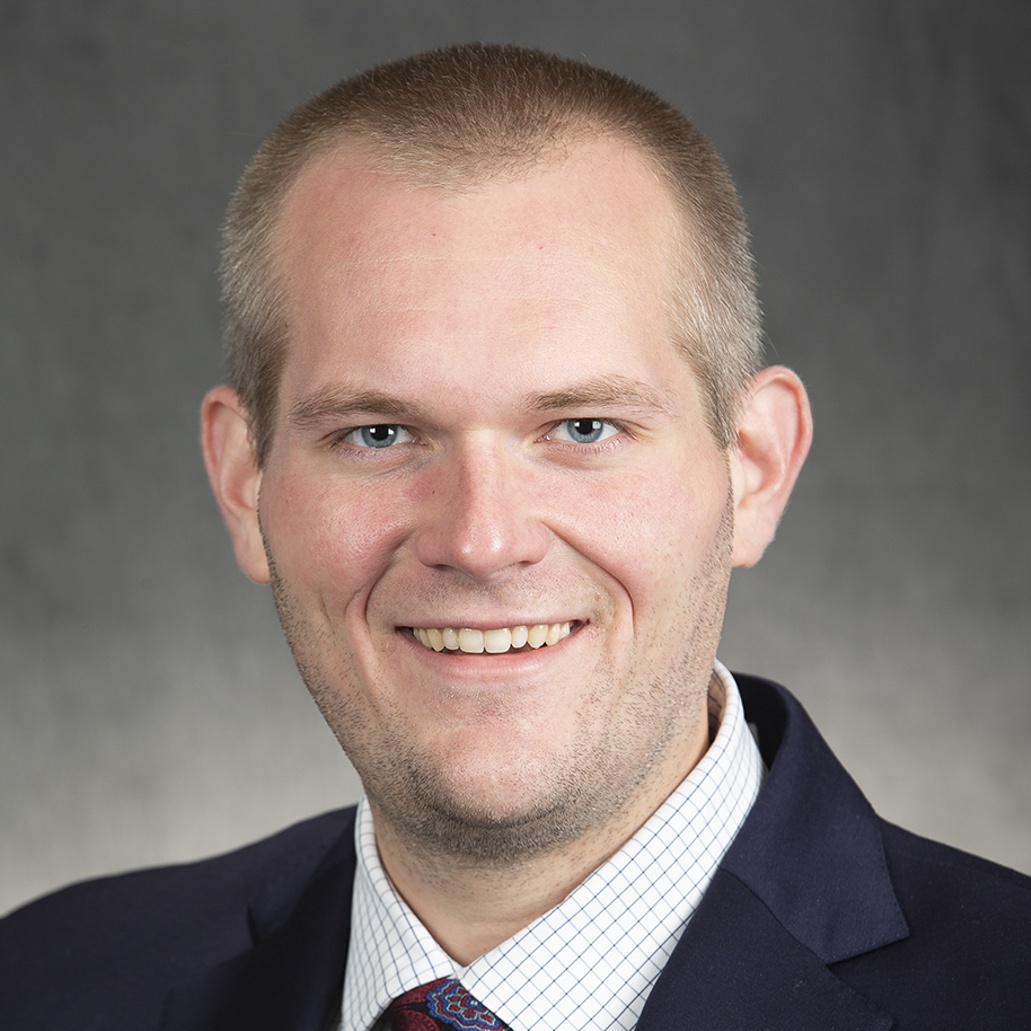
Rep. Bjorn Olson '13
Minnesota State Representative (R), District 22A
History and Social Studies Education
Bjorn commissioned as an Army officer through ROTC while earning his history degree at Bethel, then taught seventh-grade history for eight years. He later farmed, served as mayor of Elmore, and in 2020 was elected to the Minnesota House, where he's now in his third term representing southern Minnesota.