


Become who you’re meant to be. While earning a B.A. in Special Education K-12 Academic Behavioral Strategist, you’ll prepare to serve students with disabilities in K-12 classrooms. You’ll study human development, assessment, instructional strategies, due process procedures, and collaboration with families and educators. Through coursework, field experiences, and student teaching, you’ll grow into a skilled special education teacher who helps students learn and thrive. This program prepares you to pursue licensure as an academic and behavioral strategist, serving students with mild to moderate disabilities in K-12 settings.


Contact us
Request info
Interested in learning more about Bethel's B.A. in Special Education K-12 Academic Behavioral Strategist program? Fill out this simple form, and we'll send you more information soon.
Hey! Looks like the form didn't load. If it doesn't load after a second or two, please refresh the page and you should see it. If that doesn't work, please let us know.
Connect with a counselor
They’ll answer your questions, connect you with professors, and help you find the right time to visit campus. They’ll be there every step of the way to help make applying to Bethel as smooth as possible.
Courses and skills
What skills will I develop?
By majoring in special education, you’ll become a skilled teacher and lifelong learner prepared to support students with mild to moderate disabilities in K-12 settings. You’ll learn to create classrooms where students are known, supported, and challenged to grow.

A strong base as an academic and behavioral strategist
Gain the tools to teach students with mild to moderate disabilities and help them grow academically, socially, and behaviorally.
Strong teaching and assessment skills
Learn to design instruction, use assessment effectively, and respond to students’ individual strengths and needs.
A foundation in special education law and due process
Study the legal responsibilities that guide special education and learn how to follow due process with care and integrity.
Equipped for collaboration
Grow as an educator who works well with students, families, classroom teachers, and other special education professionals.
Knowledge of student mental health and development
Explore how students develop, how disabilities can affect learning, and how mental health needs may shape a student’s school experience.
The tools to serve all students
You’ll learn to support students from a wide range of backgrounds with cultural awareness, practical skill, and a commitment to inclusive excellence.

Academic plans
Map out your time at Bethel—from day one to your diploma. Your course schedule is designed to help you grow, gain skills, and become who you’re meant to be.
Learning opportunities
What experiences will I have?
Hands-on learning is central to Bethel’s special education major. You’ll apply what you’re learning in real classrooms through field experiences, assessment practice, and student teaching. And Bethel’s size and vibrant community mean you can find ways to get involved right away.

Student teaching and field experience in K-12 settings
You’ll complete field experiences connected to key special education courses, including teaching reading, characteristics of students with mild to moderate disabilities, and assessment. You’ll also complete full-time student teaching through Bethel in a K-12 special education setting. To qualify for licensure recommendation through Bethel, student teaching must be completed through Bethel University.

Networking and connections
You’ll be able to attend events hosted by the education department, where you can interact with regional education leaders, build connections, develop your job interviewing skills, and connect directly with potential employers. These include a principal panel each fall and Bethel Advance, a recruiting and interview night held each spring.

Clubs and activities
You can join the Bethel Student Educators Association, a student-led academic club that builds community in the education department. You’ll be able to attend club events that strengthen your future as an educator and connect you with your fellow education majors.
Real-world impact
What can I do with a special education k-12 academic behavioral strategist degree?
With a special education degree from Bethel, you’ll be prepared to pursue licensure as an Academic and Behavioral Strategist and serve students with disabilities in K-12 settings. You’ll graduate ready to bring skill, care, and purpose to work that makes a lasting difference for students and families.
Serve as a special education teacher
Prepare for roles in public, private, and charter schools, where you can provide specially designed instruction, support individualized education plans, and help students grow in the classroom.
Prepare for K-12 special education licensure
This program is designed to prepare you for an Academic and Behavioral Strategist (ABS) license. As an ABS teacher, you’ll be equipped to serve students with mild to moderate needs in areas such as academics, behavior, communication, and functional performance.
Build a career in education
You’ll be prepared to grow into new opportunities over time. Your degree can also support future work in curriculum, instructional design, educational programming, policy, or student support.
Pursue additional credentials or graduate study
You can continue building your expertise through added special education licenses, graduate programs, or leadership pathways. Over time, some graduates may pursue school administration or other education leadership roles.
Use your skills beyond the classroom
Develop skills in communication, collaboration, assessment, organization, problem solving, and advocacy. These strengths can support work in schools, ministries, nonprofits, community programs, social service settings, and other roles focused on serving students and families.

Start your journey
Explore Bethel for yourself
Visiting campus is the best way to learn about Bethel and our majors. As you try out academic and campus life at Bethel, you can attend a class, chat with students, meet professors and coaches, tour campus, and get a taste of life in our program.
Faculty mentors
Meet your professors
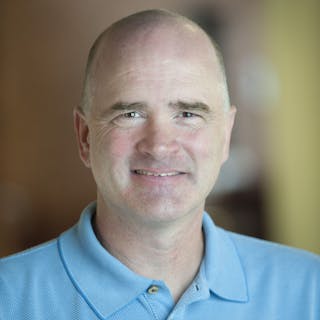
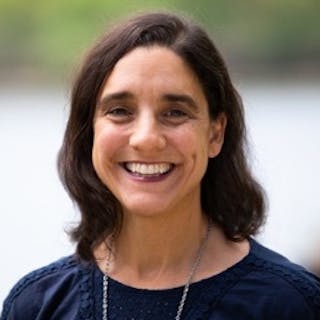
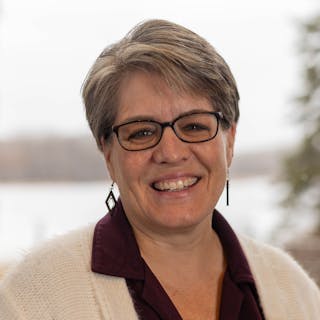
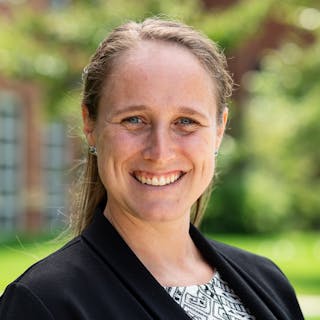
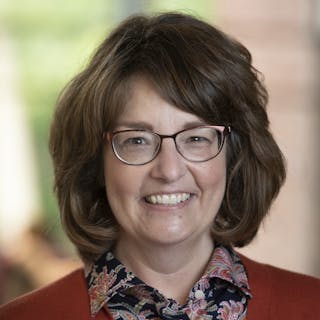
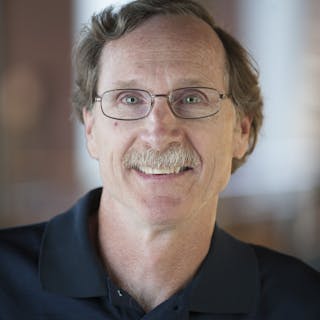
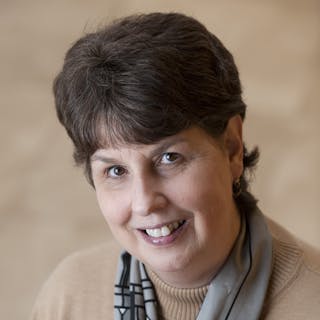
You’ll learn alongside faculty who are distinguished scholars and faithful Christians. They’ll invest in your success, and you’ll develop strong mentoring relationships that extend past graduation. You will learn from professors passionate about serving students with disabilities well. And as our professors seek new and innovative teaching techniques, they’ll model how you can do the same in your career.


















Student Support
Your support team
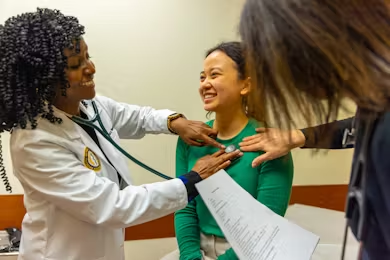
At Bethel, you’ll experience a community where you belong. And that means you’ll be able to access numerous tools for your academic success—tutoring, mentors, study help, and more.
Career coaching and preparation
A dedicated team is here to empower you to lead a purposeful life. Career coaches will help you build a resume, pursue internships and jobs, and provide support every step of the way.

Academic advising
No matter your goals, you’ll find support from your advisor. They’ll help you plan your courses and will provide support as you complete your degree and start a successful career.
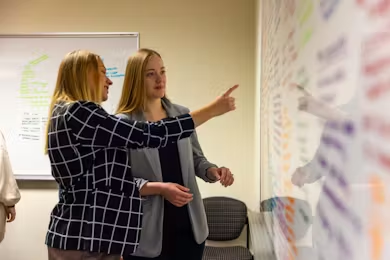
Tutoring and academic support
The Academic Enrichment and Support Center (AESC) will be your first stop for academic support. You’ll find help in building study skills, academic counseling, and more.
Faith formation
As you develop your faith, you’ll have support from our Campus Ministries team. From Chapel to Bible studies, you’ll have numerous opportunities to explore and grow in your faith.

A path with promise
Clear price. Clear outcomes.
Know what your education costs—and where it’s taking you. You’ll start with a clear price so you can focus on what truly matters: your education and your future. And you’ll graduate with confidence through the Bethel Career Commitment, which includes built-in career coaching and additional support for eligible graduates who still need help.

Become A Bethel Student
Apply now
You belong at Bethel. If you're ready to see who you could become, start your free application today.
Find your fit
Explore related programs
Bethel’s small size, strong community, and liberal arts focus allows you to personalize your education by adding additional majors or minors. In fact, about 30% of students double major—and many pursue degrees in vastly different disciplines.


Explore the full lists: